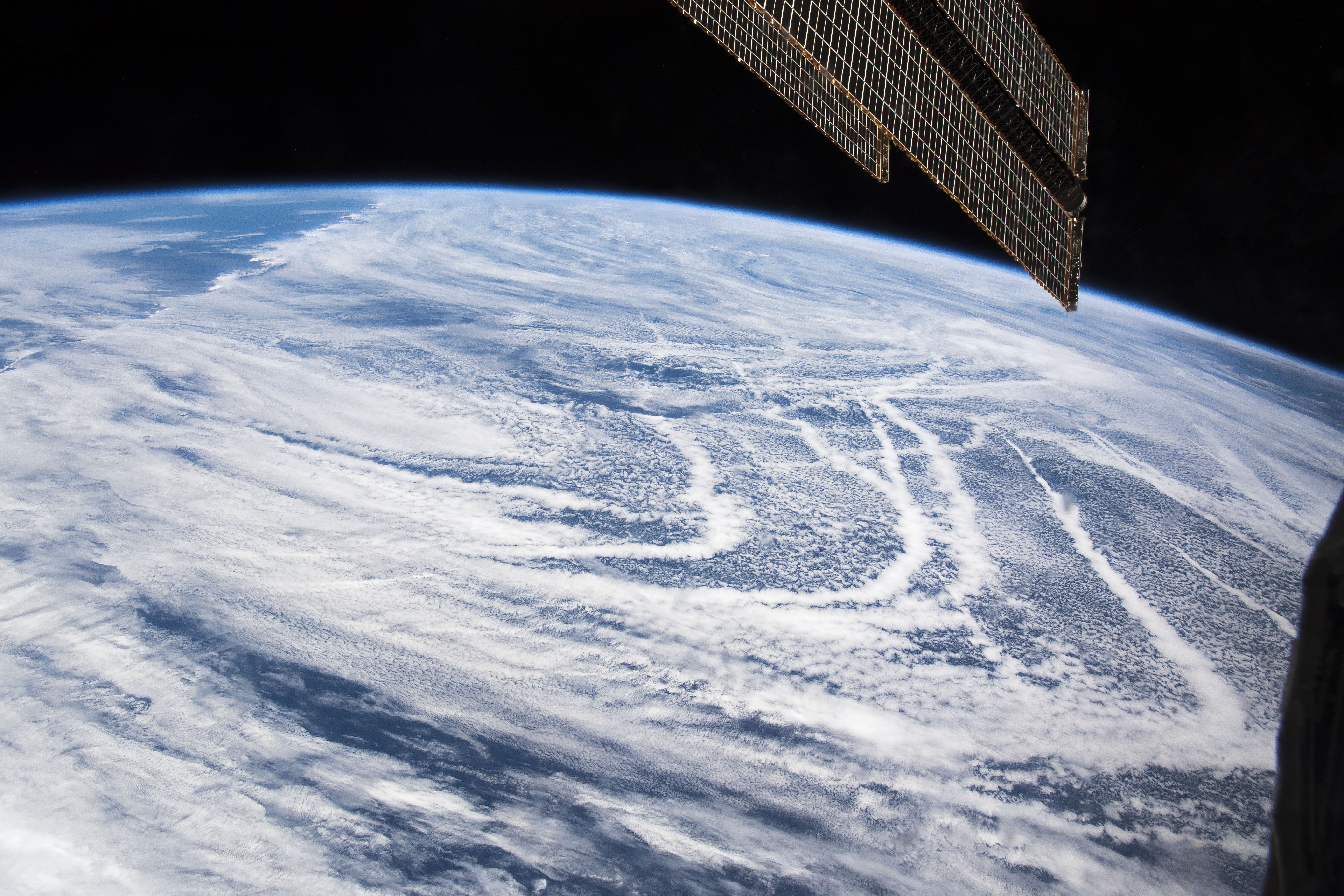
Climate + Applied AI/ML

Data · Code · Insights

Research

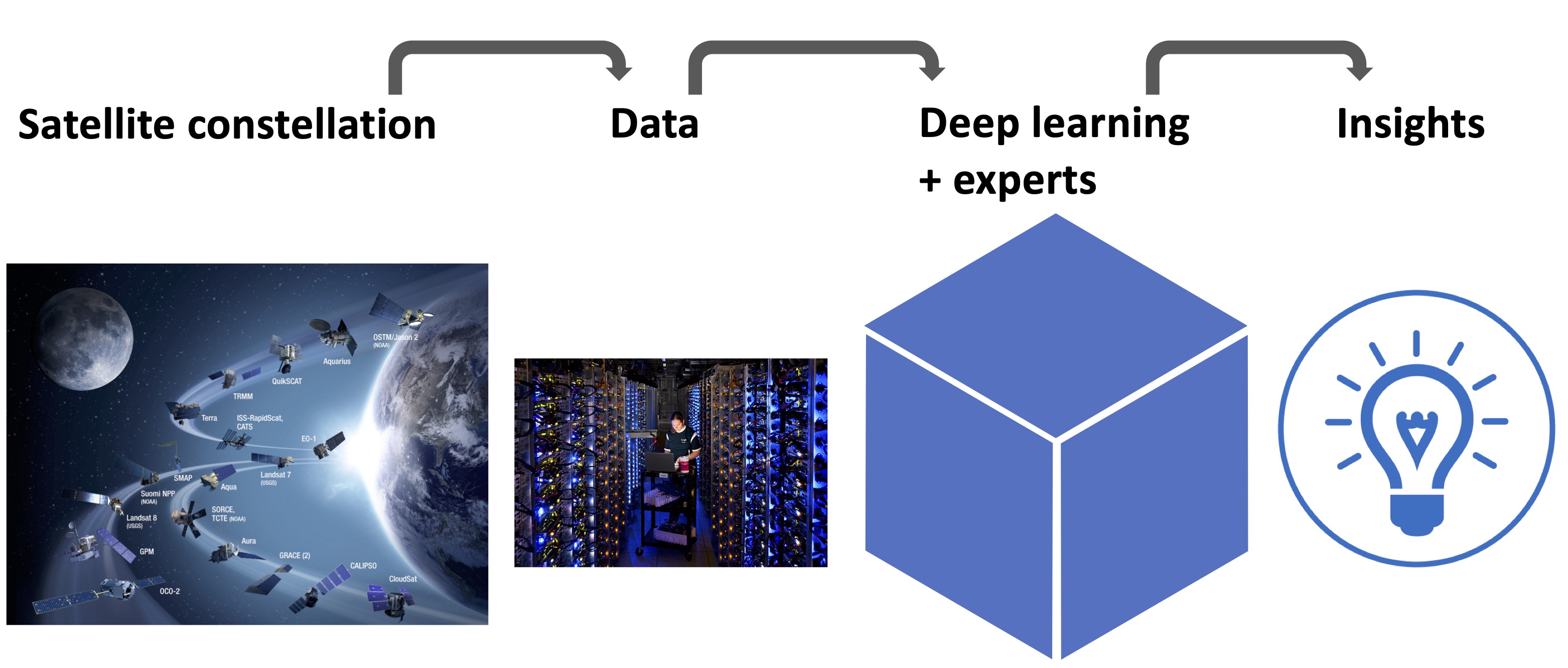
We study climate and weather with data, physical models, and AI/ML models. Here are a few of current research themes and projects.
Publications

Loading publications…

Full list on Google Scholar.

Teaching

I have taught classes in Satellite Remote Sensing, Neural Networks, and Atmospheric Chemistry and Physics. I have mentored many interns, some of whom published papers with our group in top journal and conferences. Here are a few classes that I'd love to design and teach.

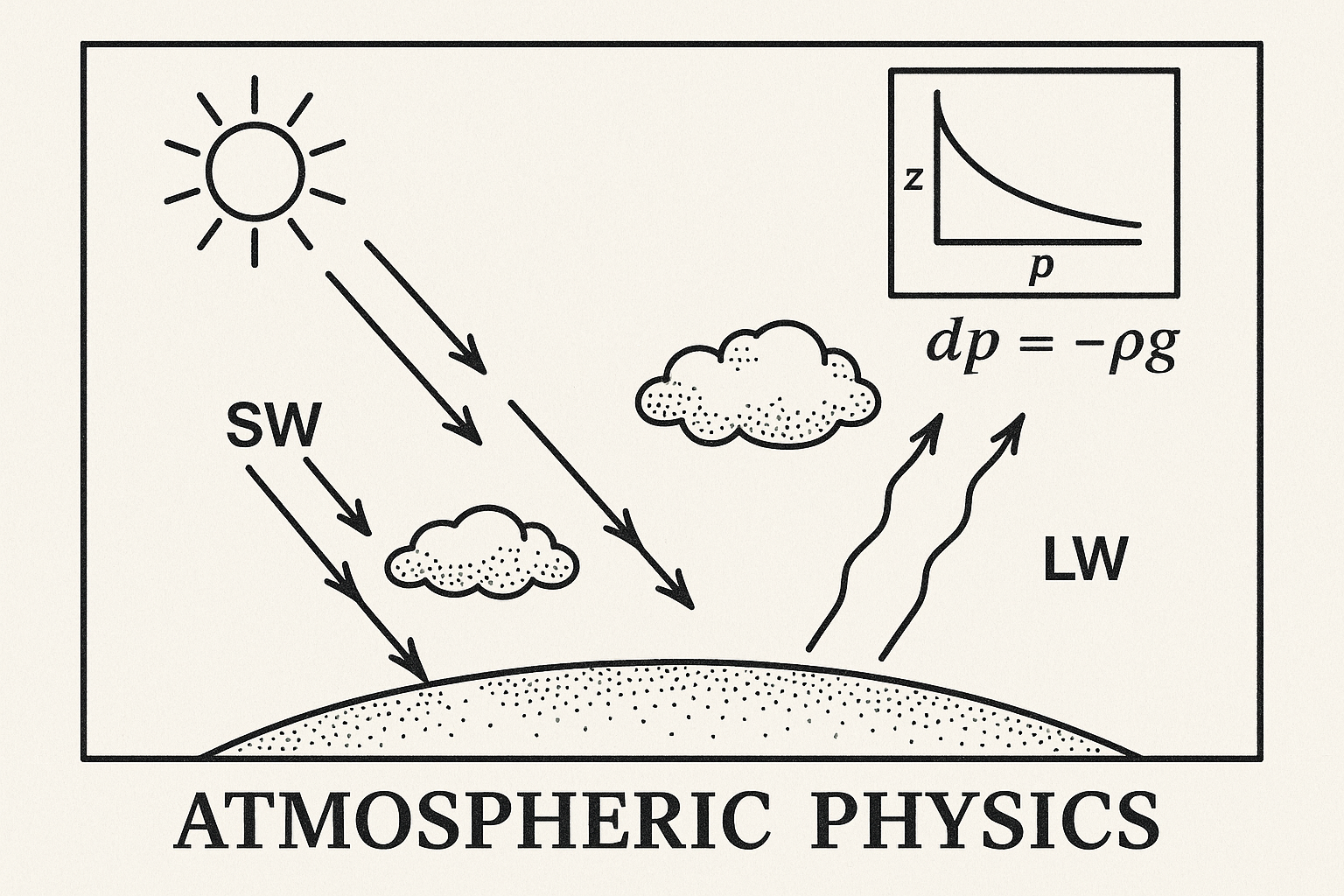
  • Atmospheric Physics — Thermodynamics, radiation, and cloud microphysics.
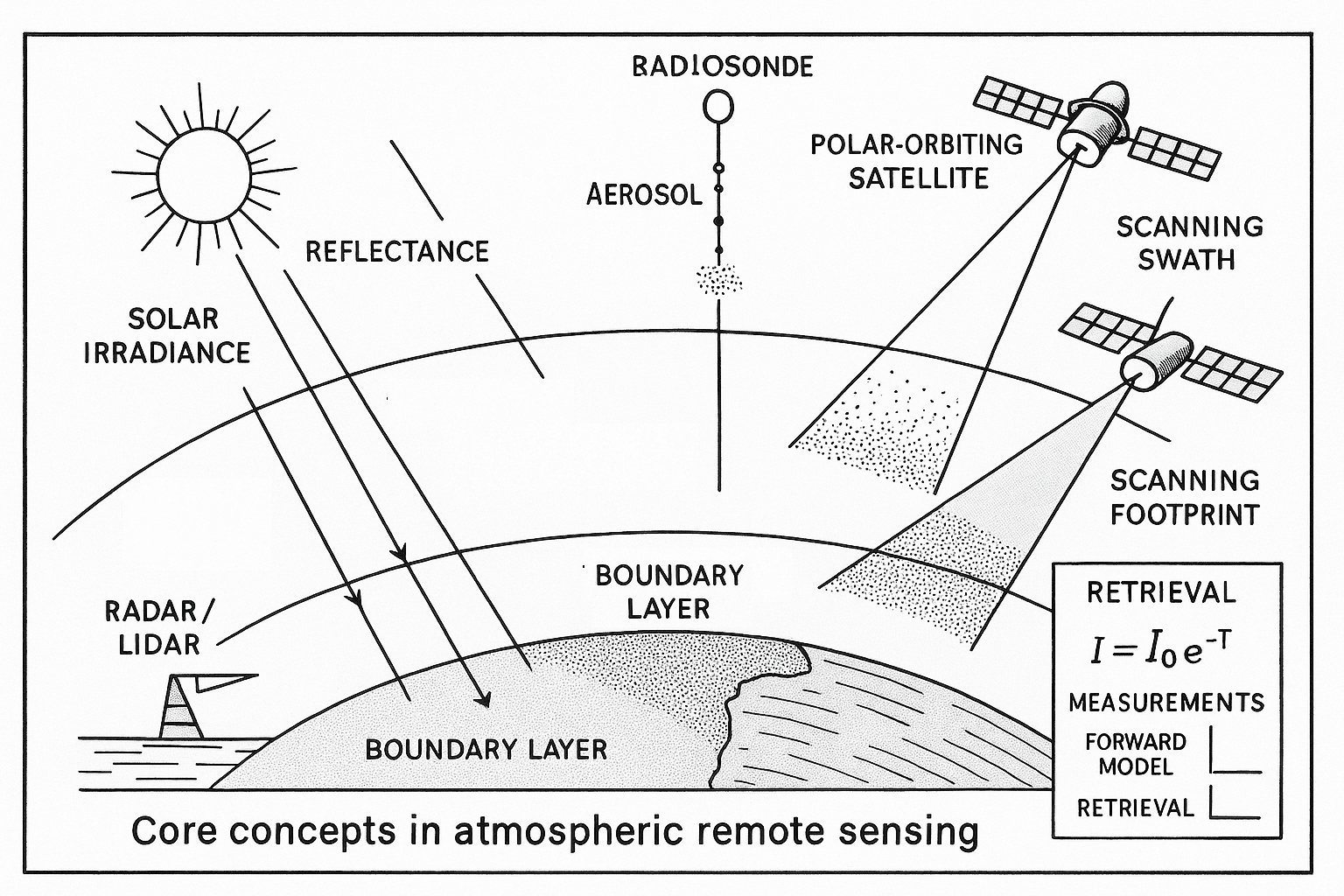
  • Remote Sensing of the Atmosphere — Sensors, retrieval algorithms, and validation.
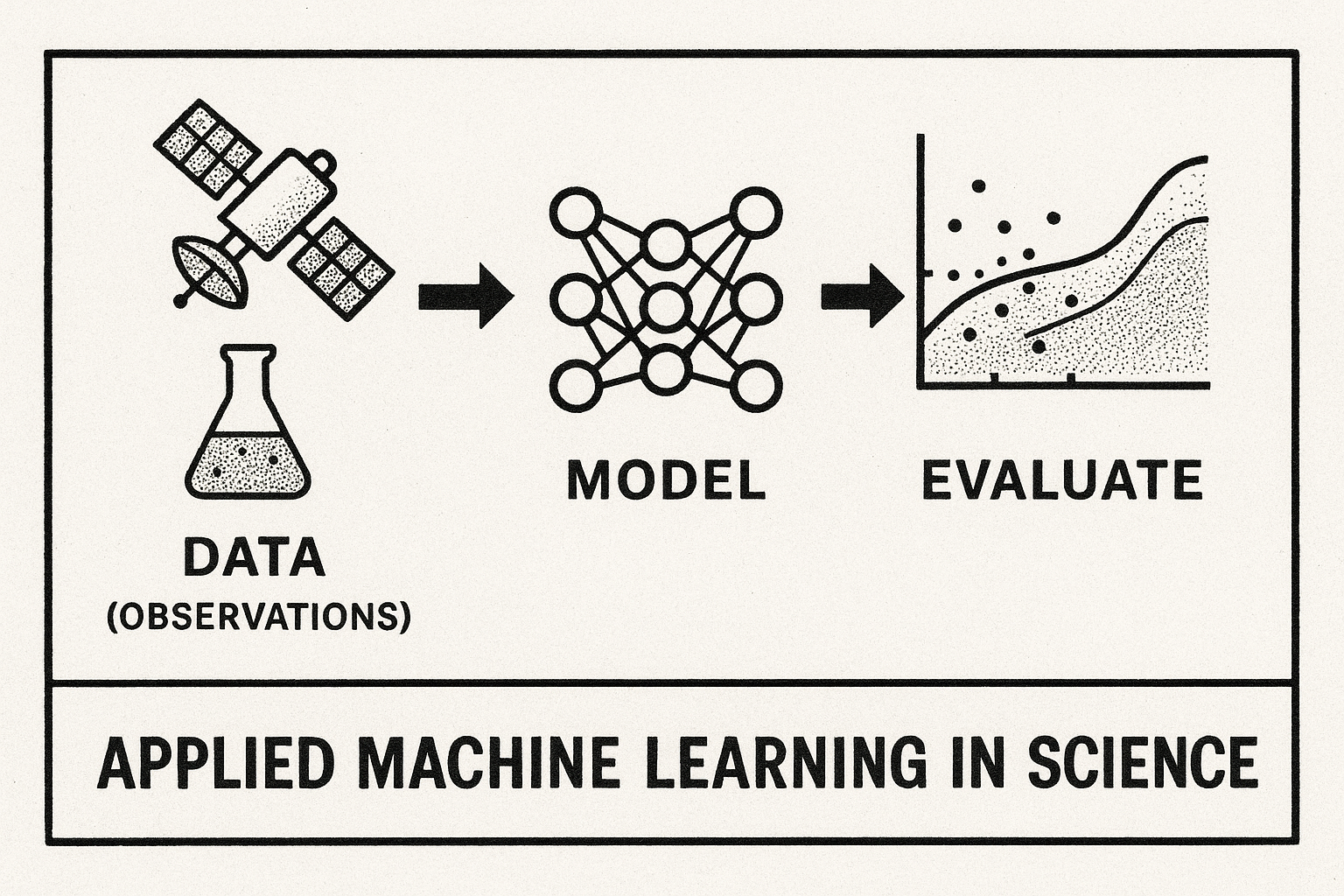
  • Machine Learning Methods, and Applications - Modern ML methods and their applications.
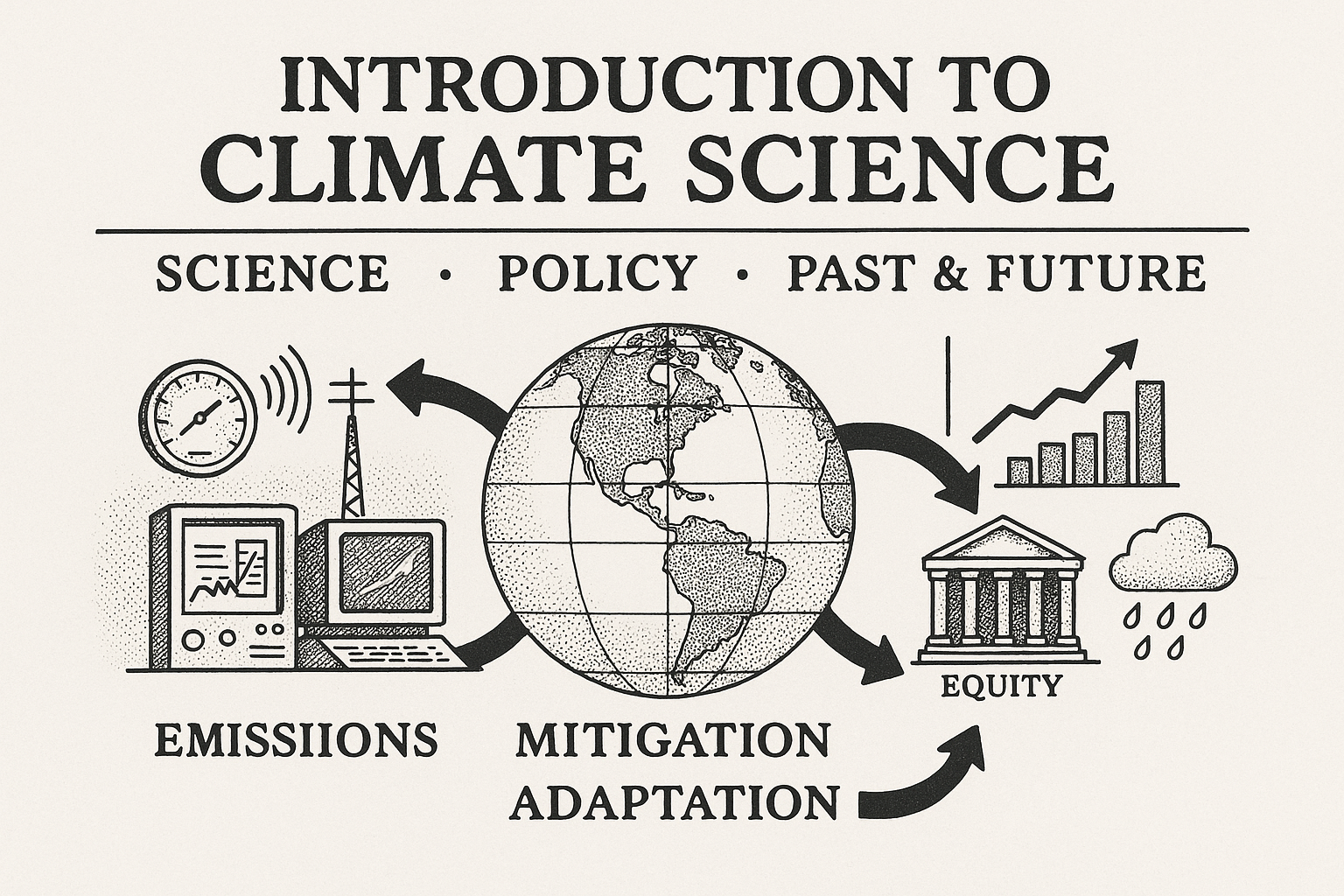
  • Introduction to Climate Science - The science, the policy relevance, and the history and future of climate studies.
People

We are looking to hire a Machine Learning Engineering. Stay tuned or send me a message.

Group Alumni

  • Mikael Nida, MIT
  • Aaron Hultstrand, Univ. of North Dakota
  • Katherine Cobey, Brown Univ.
  • Sophia von Hippel, Arizona State Univ.
  • Theng Yang, Univ. of Alaska
  • Marina Cannon, Univ. of Maine
  • Shivon Light, Univ. of Maryland
  • Ava Xu, HS
  • Jasmine Zhang, CUNY

Contact

Email me

Room A305 BLDG 33

Code 613

NASA Goddard Space Flight Center

Aerosol-Cloud Interactions

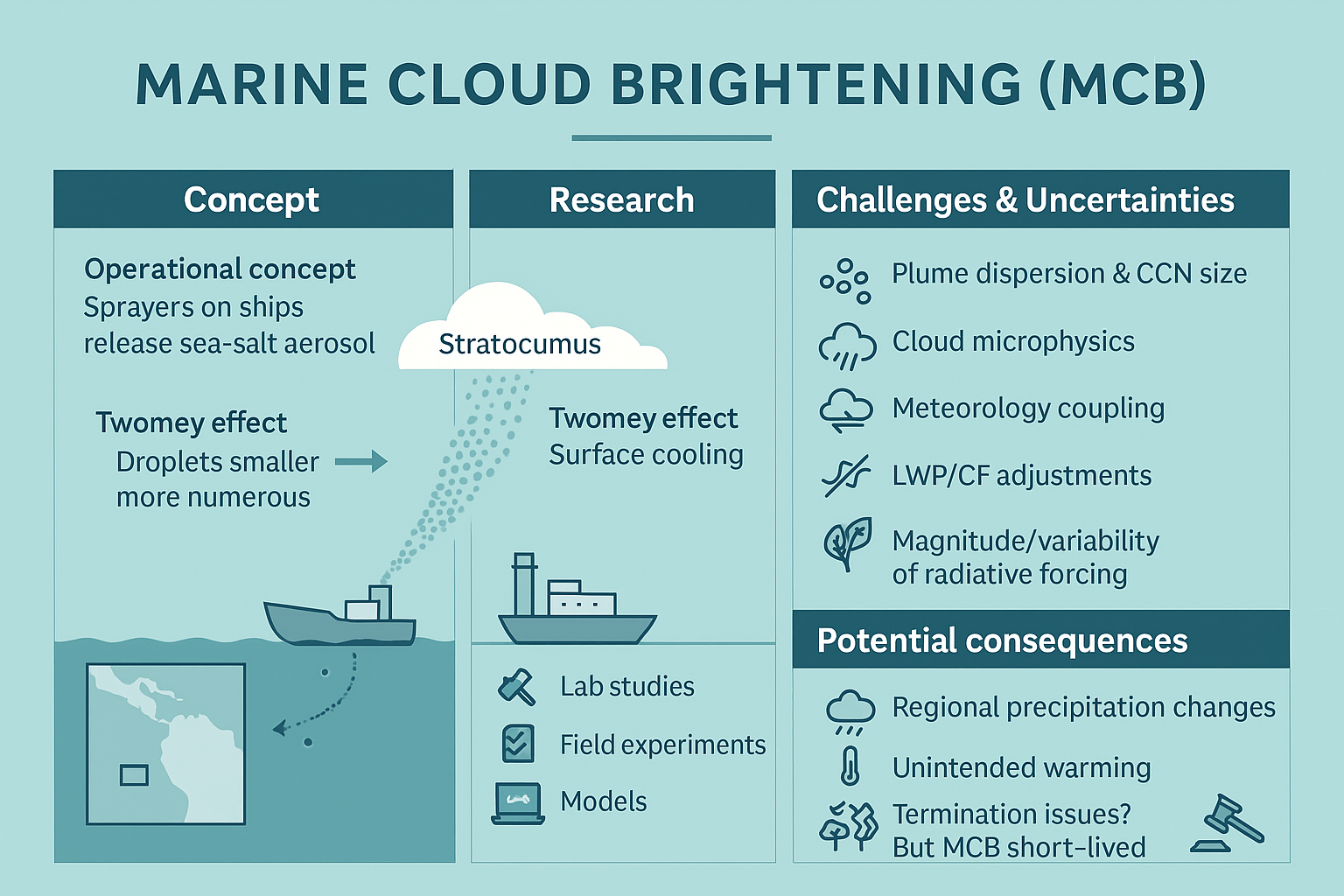
Aerosol-cloud interactions(ACIs) are critical to understand the past and future climate. Their understanding is foundational for marine cloud brightening. We have contributed to further their understanding with data, models, and AI/ML.

Currently, we have a focus on ship-tracks as ACI experiments. Our effort is funded by NASA, DOE, and NOAA through different programs.

All publications

AI/ML models

Modern AI/ML provide powerful but imperfect tools. Our group both develop tools and apply them to research topics. We explore the power and limitation of AI/ML techniques in research.

We develop AI/ML models for various tasks such as prediction (e.g., solar energy), climate physics modeling (e.g., clouds), classification (e.g., morphology), and segmentation (e.g., ship-tracks, fire). They can find great applications in our research.

Our efforts have been funded by NASA and private entities.

See:

Yuan, Tianle, Wang, Chenxi, Song, Hua, Platnick, Steven, Meyer, Kerry, Oreopoulos, Lazaros (2019). Automatically Finding Ship Tracks to Enable Large-Scale Analysis of Aerosol-Cloud Interactions. Geophysical Research Letters.

Yuan, Tianle, Song, Hua, Schmidt, Victor, Sankaran, Kris, Bengio, Yoshua (2019). Artificial Intelligence Based Cloud Distributor (AI-CD): Probing Low Cloud Distribution with Generative Adversarial Neural Networks.

Yuan, Tianle (2019). Understanding Low Cloud Mesoscale Morphology with an Information Maximizing Generative Adversarial Network.

Schmidt, Victor, Alghali, Mustafa, Sankaran, Kris, Yuan, Tianle, Bengio, Yoshua (2020). Modeling Cloud Reflectance Fields using Conditional Generative Adversarial Networks. arXiv:2002.07579 [physics].

Yuan, Tianle, Song, Hua, Wood, Robert, Mohrmann, Johannes, Meyer, Kerry, Oreopoulos, Lazaros, Platnick, Steven (2020). Applying deep learning to NASA MODIS data to create a community record of marine low-cloud mesoscale morphology. Atmospheric Measurement Techniques.

Yuan, Tianle, Song, Hua, Wood, Robert, Wang, Chenxi, Oreopoulos, Lazaros, Platnick, Steven E., von Hippel, Sophia, Meyer, Kerry, Light, Siobhan, Wilcox, Eric (2022). Global reduction in ship-tracks from sulfur regulations for shipping fuel. Science Advances.

Boussif, Oussama, Boukachab, Ghait, Assouline, Dan, Massaroli, Stefano, Yuan, Tianle, Benabbou, Loubna, Bengio, Yoshua (2023). Improving day-ahead Solar Irradiance Time Series Forecasting by Leveraging Spatio-Temporal Context. arXiv.

Guillaume, A., Leinonen, J. and Yuan, T., 2019. Reconstruction of Cloud Vertical Structure With a Generative Adversarial Network. Geophysical Research Letters, 46(12).

All publications

Climate engineering

Climate engineering studies potential ways to temporarily cool our climate and their implications and consequences. There are a lot of interesting questions and challenges.

We show that the shipping fuel regulations that took effect in 2020 have affected the energy balance of our climate throught aerosol-cloud interactions. We use multiple independent approaches to constrain the forcing from ship emissions, which is relevant for climate engineering studies.

Part of the effort is funded by NOAA.

See:

Yuan, Tianle, Song, Hua, Oreopoulos, Lazaros, Wood, Robert, Bian, Huisheng, Breen, Katherine, Chin, Mian, Yu, Hongbin, Barahona, Donifan, Meyer, Kerry, Platnick, Steven (2024). Abrupt reduction in shipping emission as an inadvertent geoengineering termination shock produces substantial radiative warming. Communications Earth & Environment.

Gettelman, A., Christensen, M. W., Diamond, M. S., Gryspeerdt, E., Manshausen, P., Stier, P., Watson‐Parris, D., Yang, M., Yoshioka, M., Yuan, T. (2024). Has Reducing Ship Emissions Brought Forward Global Warming?. Geophysical Research Letters.

All publications

Climate Feedbacks

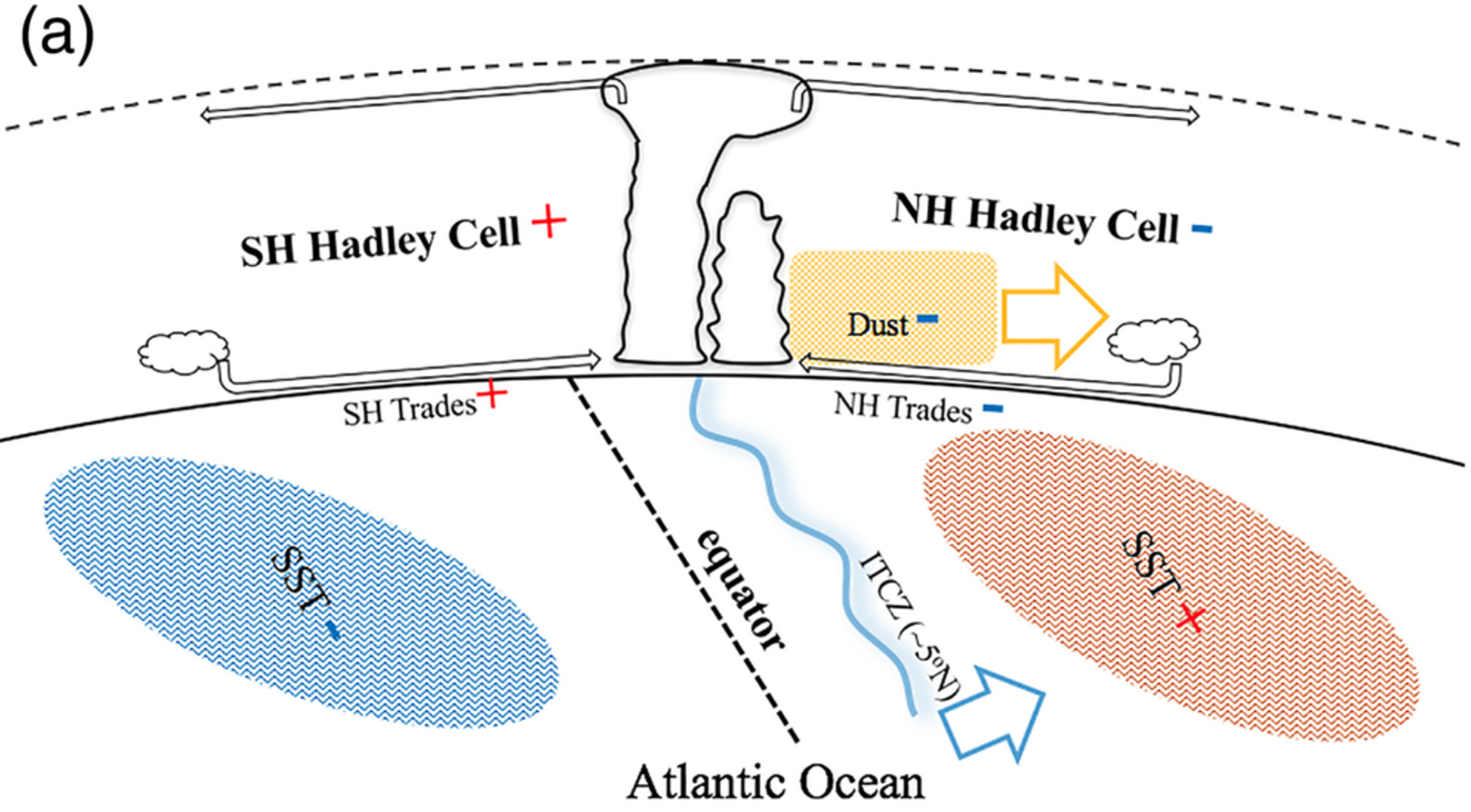
Aerosols and clouds can change because of climate change, which in turn modifies climate itself, constituting feedbacks.

We have found important feedback processes where sea surface temperature distributions affect low clouds and dust distributions and vice versa. We show that these feedback processes are critical for understanding both climate natural variability and climate change.

Yuan, Tianle, Yu, Hongbin, Chin, Mian, Remer, Lorraine A., McGee, David, Evan, Amato (2020). Anthropogenic Decline of African Dust: Insights From the Holocene Records and Beyond. Geophysical Research Letters.

Yuan, Tianle, Oreopoulos, Lazaros, Platnick, Steven E., Meyer, Kerry (2018). Observations of Local Positive Low Cloud Feedback Patterns and Their Role in Internal Variability and Climate Sensitivity. Geophysical Research Letters.

Yuan, Tianle, Oreopoulos, Lazaros, Zelinka, Mark, Yu, Hongbin, Norris, Joel R., Chin, Mian, Platnick, Steven, Meyer, Kerry (2016). Positive low cloud and dust feedbacks amplify tropical North Atlantic Multidecadal Oscillation. Geophysical Research Letters.

Yuan, Tianle, Remer, Lorraine A, Bian, Huisheng, Ziemke, Jerald R, Albrecht, Rachel, Pickering, Kenneth E, Oreopoulos, Lazaros, Goodman, Steven J, Yu, Hongbin, Allen, Dale J (2012). Aerosol indirect effect on tropospheric ozone via lightning. Journal of Geophysical Research: Atmospheres (1984–2012).

All publications

Dr. Tianle Yuan

I am a Senior Research Scientist at UMBC GESTAR-II and Code 613 of NASA Goddard Space Flight Center. My research focuses on understanding cloud physics, applied AI/ML in climate science, aerosol-cloud interactions and climate feedback.

I have developed supervised and unsupervised models for object detection, cloud physics and prediction, semi-supervised algorithms for foundational model development, and generative models for understanding feedback and weather. I have published multiple studies on aerosol-cloud interactions within boundary layer clouds and convective clouds. I proposed a framework through which the past and future changes in African dust can be understood along with my co-authors. I provide strong observational evidence to support the role of aerosols in determining the global lightning distribution.

We are working to constrain aerosol-cloud interactions using multiple tools in support of reducing their forcing estimates and building practical MCB solutions.

Email · Google Scholar ·

See my publications

Dr. Hua Song

I'm an experienced programer and researcher at SSAI Inc. I have a PhD in Atmophseric Sciences from Stony Brook University. I have worked extensively with various data from models, satellites, and ground sites. My research interests include climate change analysis and modeling, model evaluation using satellite and in-situ observations, machine learning, and big data processing and analysis.

Email ·

Dr. Haipeng Zhang

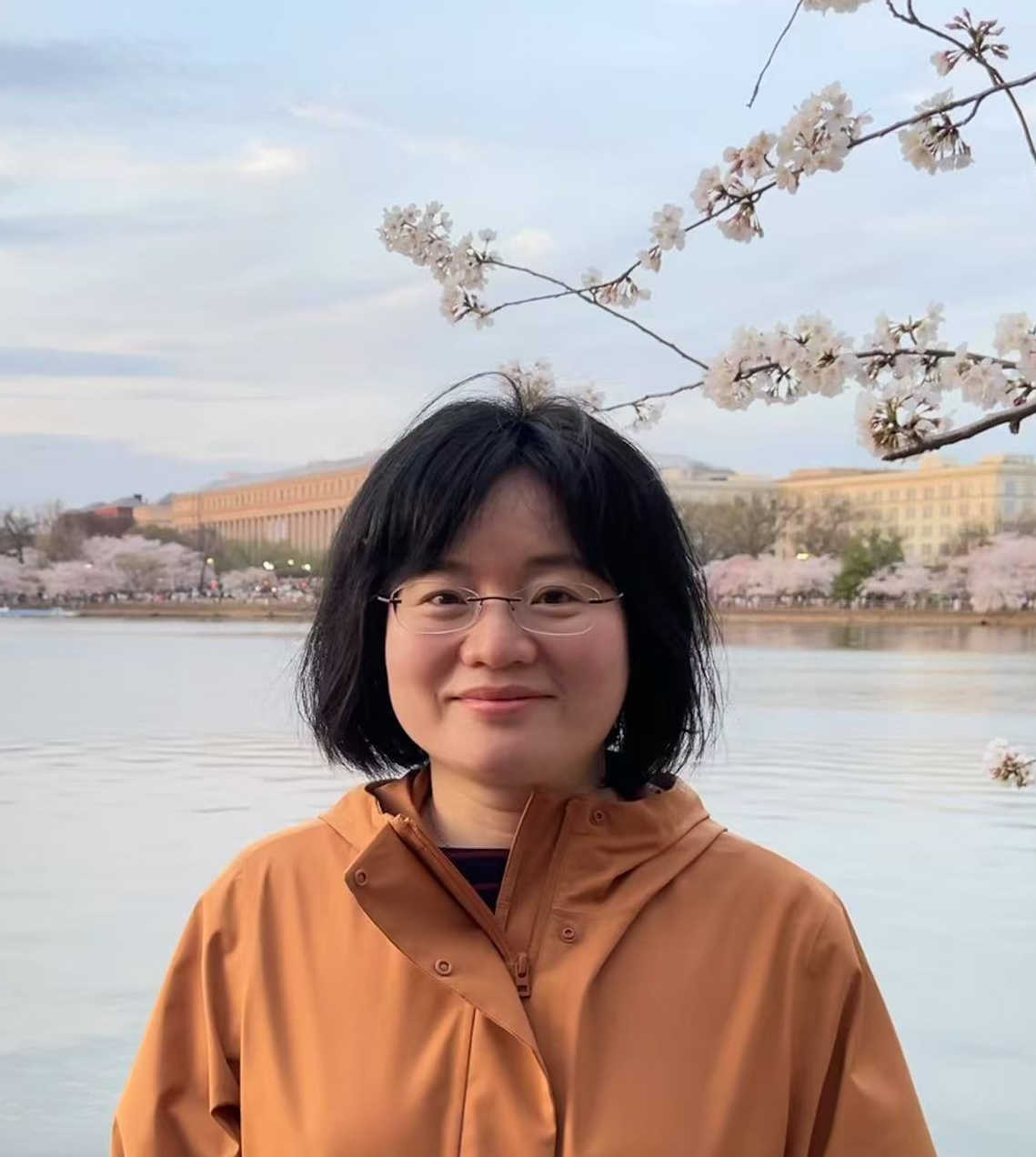
I joined our team at GESTAR-II in May 2025 following the completion of his Ph.D. at the University of Maryland, College Park. My research interests encompass the modeling of low-level clouds and their roles in climate and climate change, aerosol–cloud interactions (ACIs), and applying explainable machine learning to understand cloud physics. At GESTAR-II, I will focus on advancing the understanding of ACIs through observational analyses and high-resolution simulations of ship tracks.

Email · Google Scholar

Tianle Yuan

Research interests: remote sensing of aerosols and clouds, aerosol–cloud interactions, satellite retrieval algorithms, and climate impacts.